
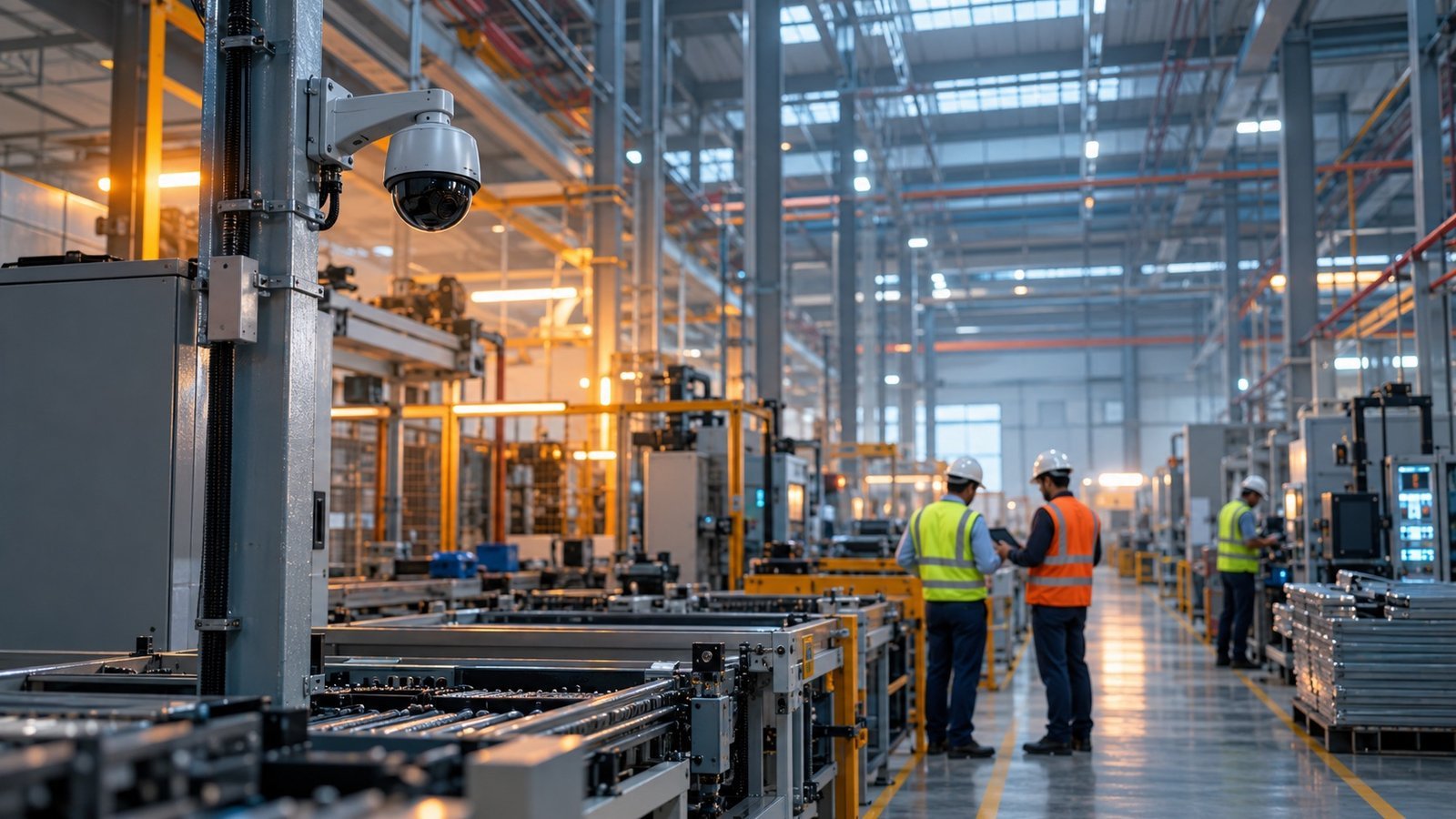
A face recognition attendance system is usually the better choice where fingers are dusty, greasy or worn, such as factories and construction sites, and where contactless punching matters for hygiene. Fingerprint remains accurate, affordable and fast for most office staff. Where a workforce is mixed, a multimodal terminal that accepts both face and fingerprint avoids forcing one method on everyone.
This article compares the two methods on the points that decide real-world results in Pakistan: accuracy for different workers, hygiene, speed at shift change, lighting and masks, spoofing, and cost of ownership.
How each method works
A fingerprint terminal scans the ridges on a fingertip with an optical or capacitive sensor, converts them into a mathematical template and compares it with templates stored on the device or server. Nothing is stored as an image in most systems; the template is a set of feature points.
A face recognition terminal uses one or more cameras to capture the face, measures its features and compares the resulting template in the same way. Many modern devices combine a visible-light camera with an infrared camera, which helps in low light and supports liveness checks.
Both methods can run in 1:N mode, where the device searches all enrolled users, or 1:1 mode, where the person first presents a card or ID and the device checks just one template. 1:N is quicker for staff; 1:1 is faster to match and useful with very large user databases.
Face recognition attendance system vs fingerprint: side-by-side
| Factor | Fingerprint | Face recognition |
|---|---|---|
| Worn, cut or dirty fingers | Frequent read failures; some people cannot enrol | Not affected |
| Hygiene | Shared contact surface; needs cleaning | Contactless |
| Speed at shift change | Fast, but slows when retries are needed | Fast walk-up recognition; no wiping or repositioning |
| Lighting | Unaffected by ambient light | Sensitive to strong backlight and direct sun; infrared helps |
| Masks and head coverings | Unaffected | Masks reduce accuracy; varies by model |
| Gloves | Must be removed | Can stay on |
| Spoofing risk | Fake fingers; mitigated by live-finger detection | Photos, videos, masks; mitigated by liveness detection |
| Placement | Flexible | Needs correct height, cover and background |
| Typical cost | Lower | Higher, especially with infrared or depth cameras |
Accuracy with dusty or worn fingers
Fingerprint readers rely on clear ridges. Cement, dust, oil, chemicals and years of manual work wear those ridges down, and dry winter skin makes it worse. The result is a familiar pattern at factory gates and construction sites: a handful of workers who need several attempts every morning, and a few who cannot be enrolled at all. Each failure becomes a manual entry that someone in HR has to verify.
Face recognition avoids that problem because it does not depend on the skin of the fingertip. For industrial and manufacturing sites, this is often the deciding factor. Fingerprint still performs well for office staff, bank branches and schools, where fingers are usually in good condition.
Hygiene and contactless punching
A fingerprint sensor is touched by every employee, several times a day. That matters in hospitals, food processing and pharmaceutical plants, and it became a wider concern after the COVID-19 pandemic. Face recognition, or a contactless card, removes the shared surface. If you keep fingerprint devices, plan for regular cleaning of the sensor, which also improves read rates.
Speed at shift change
The real test of any attendance device is the ten minutes before a shift starts, when hundreds of people arrive at once. Both methods identify a person in around a second under good conditions. The difference comes from retries: a fingerprint that fails needs wiping and repositioning, while a face device recognises people as they step up. Whichever method you choose, size the number of terminals for peak arrivals, not for the average day, and consider separate devices for entry and exit at large gates.
Lighting, masks and placement
Face recognition is more demanding about where the device goes. Strong light behind the person, such as an open gate or a glass door, can leave the face in shadow. Direct sun on the camera causes similar problems. Mount face terminals under cover, facing away from bright openings, at a height that suits most staff. Devices with infrared cameras cope better with low light.
Masks reduce accuracy. Research by the US National Institute of Standards and Technology found that algorithms designed before the pandemic made many more errors with masked faces, and that newer algorithms trained for masks improved noticeably, though they still perform below unmasked levels. In practice, check whether a model supports mask detection or mask-wearing recognition if masks are routine at your site. A headscarf or hijab that leaves the face visible is generally not a problem; enrol staff as they normally appear at work.
Spoofing and liveness checks
Buddy punching is the reason most organisations adopt biometrics, so a device that accepts a fake is a real weakness. Fingerprint devices can be fooled by moulded fake fingers unless they have live-finger detection; some Virdi fingerprint models, for example, include fake-finger detection. Basic face devices can be fooled by a printed photo or a phone screen unless they check for liveness, usually with infrared or depth sensing.
The international standard for evaluating these defences is ISO/IEC 30107-3, which defines how presentation attack detection is tested and reported. When comparing devices, ask whether the liveness feature has been tested, rather than relying on a brochure description.
When to choose a multimodal device
A multimodal terminal accepts face, fingerprint and often card on the same device. It is the practical answer when:
- Your workforce mixes office staff and manual workers.
- Some employees cannot enrol reliably with one method.
- You want face for speed but a fallback during mask use or poor lighting.
- You need stronger verification at sensitive doors, such as face plus card.
Resco supplies face, fingerprint and multimodal terminals from the Virdi range, among others, and has delivered Virdi biometric attendance across more than 2,250 HBL branches. See our time and attendance systems page for how we plan device choice around each site.
Quick recommendation by site type
- Offices and bank branches: fingerprint is usually sufficient; add face if hygiene or visitor volume matters.
- Factories, warehouses and construction: face or multimodal, mounted under cover.
- Hospitals and food processing: face or contactless card for hygiene.
- Schools and universities: fingerprint or face for staff; face suits high-volume entry.
Frequently asked questions
Is face recognition more accurate than fingerprint for attendance?
It depends on the workforce and the site. Fingerprint works very well for office staff with healthy fingers, while face recognition is usually more reliable for workers whose fingers are worn, dirty or damaged. Face devices are more affected by poor placement and backlight. For a mixed workforce, a multimodal device that offers both is the safest choice.
Does face recognition attendance work with masks or hijab?
Many current face terminals can recognise people wearing a surgical mask, though accuracy is lower than with an uncovered face and varies by model. A headscarf that leaves the face visible usually causes no problem. Enrol staff as they normally appear at work, and test the specific model with your staff before a full rollout.
Can a photo fool a face recognition attendance machine?
A basic device without liveness detection may accept a printed photo or a phone screen. Better terminals use infrared or depth cameras and liveness checks to reject photos, videos and masks. Ask whether the model has been tested against the ISO/IEC 30107-3 presentation attack detection method.
Which is better for a factory in Pakistan?
Face recognition or a multimodal face and fingerprint terminal is usually the better fit for factories, construction sites and warehouses, because dust, grease and worn fingertips cause repeated fingerprint failures. Place devices under cover, out of direct sunlight, and plan enough terminals for the shift-change rush.
If you are deciding between face and fingerprint attendance for your sites, Resco can survey your entrances and workforce and recommend the right mix of devices. Request a proposal, call +92 21 36378960-2 or email info@resco.com.pk.